
"large seed"
5000 article(s) found

A rare variety of Liberian species, namely large-grained species, native to Liberia in Africa.
The Liberian species, the large-grained species, is native to Liberia in Africa, as well as a few countries such as Malaysia. Its cultivation history is slightly shorter than the other two coffee trees. Liberian coffee trees are suitable for growing in lowlands. Its trunk is high and strong, it is 18 meters high, its leaves are large and tough, and its fruits and coffee beans are also very large. Its seed coat is close to the seed kernel and is scarlet when it is mature. The quotation flavor is strong.

Cultivation and cultivation of High-quality Coffee
(1) Seedling propagation Coffee seedling propagation can be divided into seed propagation and asexual reproduction. 1. Seed propagation (1) seed collection, seed washing and seed storage during the full ripening period of coffee (the full ripening period of medium-grain coffee in Hainan Island is from February to March, and that of small seed is from September to November). The fully ripe fruits are picked from strong and high-yielding mother trees to make seeds. Immediately after the fruit is harvested, peel and wash the seeds. The method is to place the fruit.

Description of Flavor of Yunnan small-grained Coffee Huaguoshan Flavor introduction to the characteristics of varieties producing grindness
The small seed species are also called Arabian species, the medium seed species are also called Ganfla species, and the large seed species are also called Liberian species. There are two common species: Arabica and Robusta. Coffee is rich in protein, fat, sucrose, starch, caffeine and other substances. after being made into a beverage, coffee is rich in aroma, delicious taste and rich nutrition, so it has become the world's three major beverages composed of tea and cocoa.

Yunnan small Coffee planting Technology Brand Flavor description Taste treatment method
Yunnan small grain coffee planting technology brand characteristics flavor description Zhukula is poor and backward, but it has an inextricable bond with coffee. In addition to growing coffee all over the country, the villagers all have a tradition of drinking coffee: self-growing, self-grinding and self-brewing, and now men, women and children in the village have the habit of drinking coffee. The villagers here have a special feeling about coffee trees.

Which is better for coffee beans with large grains and small grains?
Which of the large grains of coffee beans is better A. China: Yunnan coffee has a high performance-to-price ratio (recommended: Yunnan small grain coffee) B. Mexico: Aldura coffee has wine aroma (recommended: Aldura coffee) C. Brazil: Brazil Bourbon Santos coffee quality is good, popular taste (specifically recommended: bourbon Santos coffee) D. Tanzania: Kilima
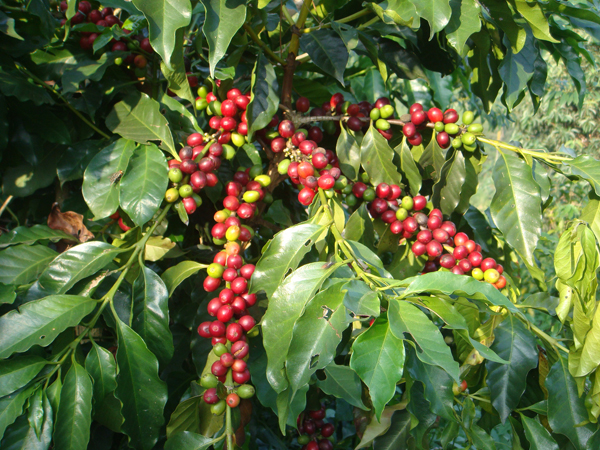
Explain the planting and cultivation of coffee trees in detail to understand the growth environment and needs of coffee trees.
(1) Seedling propagation Coffee seedling propagation can be divided into seed propagation and asexual reproduction. 1. Seed propagation (1) seed collection, seed washing and seed storage during the full ripening period of coffee (the full ripening period of medium-grain coffee in Hainan Island is from February to March, and that of small seed is from September to November). The fully ripe fruits are picked from strong and high-yielding mother trees to make seeds. Immediately after the fruit is harvested, peel and wash the seeds. The method is to place the fruit.
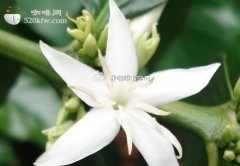
The growth process of Coffee plants
Coffee plants: several to dozens of flowers are clustered in the axils of leaves, and the second to fifth flowers are planted on a flower axis. The flowers are white and fragrant. The petals of medium and small seed species are generally 5, and the petals of large seed species are 7-8. Flowers tubular, Terete. The number of stamens is the same as the number of petals, stamen stigma bifid, ovary inferior, generally 2-loculed, but also 1-loculed or 3-loculed. Insect-borne flowers, large-grain species and small-grain seeds
Botanical knowledge of coffee
There are more than 60 kinds of coffee, but there are roughly two varieties of coffee grown commercially on a large scale, one is Arabica, accounting for about 70 percent of the world's coffee planting area, and the other is Robasta, accounting for about 30 percent of the world's coffee planting area.
Coffee knowledge
Coffee (scientific name: Coffea arabica), also known as coffee tree, Arabica coffee, etc., is the national flower of Yemen. Before the 6th century in the park, Yemen was called Arab, so the coffee trees transported from them to other places were also called Arabian coffee trees. The name coffee comes from the Arabic word "Qahwah", which means plant drink. Later, coffee spread all over the world.

What are the varieties of coffee beans in Libya?
The Liberian species, the large-grained species, is native to Liberia in Africa, as well as a few countries such as Malaysia. Its cultivation history is slightly shorter than the other two coffee trees. Liberian coffee trees are suitable for growing in lowlands. Its trunk is high and strong, it is 18 meters high, its leaves are large and tough, and its fruits and coffee beans are also very large. Its seed coat is close to the seed kernel and is scarlet when it is mature. The quotation flavor is strong.

Introduction to the growing environment of Yunnan coffee and the proportion of seed brewing methods
Yunnan small grain coffee introduces Yunnan boutique coffee beans. China's coffee cultivation is concentrated in Yunnan and Hainan provinces. Yunnan has a large output, with an annual output of about 26000 tons in recent years, accounting for 90 per cent of the national output. It is said that Yunnan coffee came from the French 70 or 80 years ago. The main variety is Arabica Arabica, that is, the so-called small seed coffee, commonly known as Yunnan small grain coffee. Yunnan high-quality
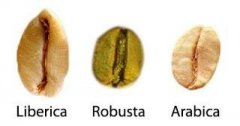
Lilika Coffee, a big seed in the coffee world. Why is Liberika so rare?
Professional coffee knowledge exchange more coffee bean information Please follow the coffee workshop (Wechat official account cafe_style) friends who have some knowledge of coffee should know that coffee beans are divided into three main categories: Arabica of small seed, Robusta of medium seed and Liberica of large seed, while we
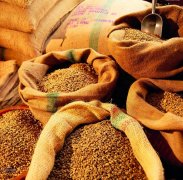
Knowledge about coffee botany
According to the botanical description of coffee: coffee is Rubiaceae, coffee genus, perennial evergreen shrubs or small trees. There are more than 60 types of coffee classified, but there are roughly two varieties of coffee grown commercially on a large scale, one is Arabica, accounting for about 70 percent of the world's coffee planting area, and the other is Robasta, accounting for about 30 percent of the world's coffee planting area. According to our country
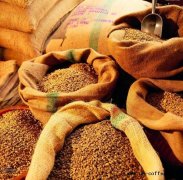
Knowledge of coffee botany.
9bf95f67gw1dzk8j7xbi4j.jpg (135.26 KB, downloads: 0) download attachment to photo album 2012-12-7 09:12 upload according to botanical description of coffee is: coffee is Rubiaceae, coffee, perennial evergreen shrubs or small trees. There are more than 60 types of coffee, but there are roughly two varieties of coffee grown on a large scale.
Fine Coffee Science explains the nouns of coffee in detail.
[source] basic source of medicinal materials: seeds of small fruit coffee, medium fruit coffee and large fruit coffee of Rubiaceae. Latin plant animal mineral name: 1.CoffeaarabicaL.2.CoffeacanephoraPierreexFroehn.3.CoffealibericaBul1.exH1en harvesting and storage: the pericarp begins to turn red and can be harvested. The harvest time varies with the species, and the small seeds are collected from September to November and from September to October.

Basic knowledge of coffee botany
According to the botanical description of coffee: coffee is Rubiaceae, coffee genus, perennial evergreen shrubs or small trees. There are more than 60 types of coffee classified, but there are roughly two varieties of coffee grown commercially on a large scale, one is Arabica, accounting for about 70 percent of the world's coffee planting area, and the other is Robasta, accounting for about 30 percent of the world's coffee planting area. According to our country

Cultivation techniques of Coffee Tree Seedling Propagation and Establishment of Coffee Garden
(1) Seedling propagation Coffee seedling propagation can be divided into seed propagation and asexual reproduction. 1. Seed propagation (1) seed collection, seed washing and seed storage during the full ripening period of coffee (the full ripening period of medium-grain coffee in Hainan Island is from February to March, and that of small seed is from September to November). The fully ripe fruits are picked from strong and high-yielding mother trees to make seeds. After the fruit is harvested, peel and wash the seeds immediately. The method is to remove the fruit.

A brief introduction to the market price of Yunnan boutique coffee bean varieties
Coffee is a short-day plant. Coffee has the characteristics of multiple flowering and concentrated florescence. The florescence of small seed coffee in Yunnan is 27 months, and the flowering period is 35 months. The flowering of coffee is greatly affected by climate, especially rainfall and temperature. Coffee flowers have a short life span of only 23 days. Small seed coffee usually opens at 35: 00 in the morning and blooms at 57: 00. Typica: Ethiopia
Boutique Coffee knowledge about Coffee Botany
According to the botanical description of coffee: coffee is Rubiaceae, coffee genus, perennial evergreen shrubs or small trees. There are more than 60 types of coffee classified, but there are roughly two varieties of coffee grown commercially on a large scale, one is Arabica, accounting for about 70 percent of the world's coffee planting area, and the other is Robasta, accounting for about 30 percent of the world's coffee planting area. According to our country